
Navigating the World of Viral Social Media Trends
Emma R.
Let’s be real: most “viral trends” are gone before you even finish explaining them to someone else. One day it’s a sound, a filter, or a challenge everywhere… and the next day it’s basically internet history. The tricky part isn’t spotting trends — it’s knowing which ones matter, which ones are safe to join, and how to use them without looking forced.
In this guide, I’m breaking down how viral social media trends work, why some explode while others flop, and what you can do (as a creator, casual user, or business) to ride a trend intelligently. I’ll also include practical steps, examples, and a quick “should we post this?” checklist to avoid the most common mistakes.
What Counts as a Viral Social Media Trend?
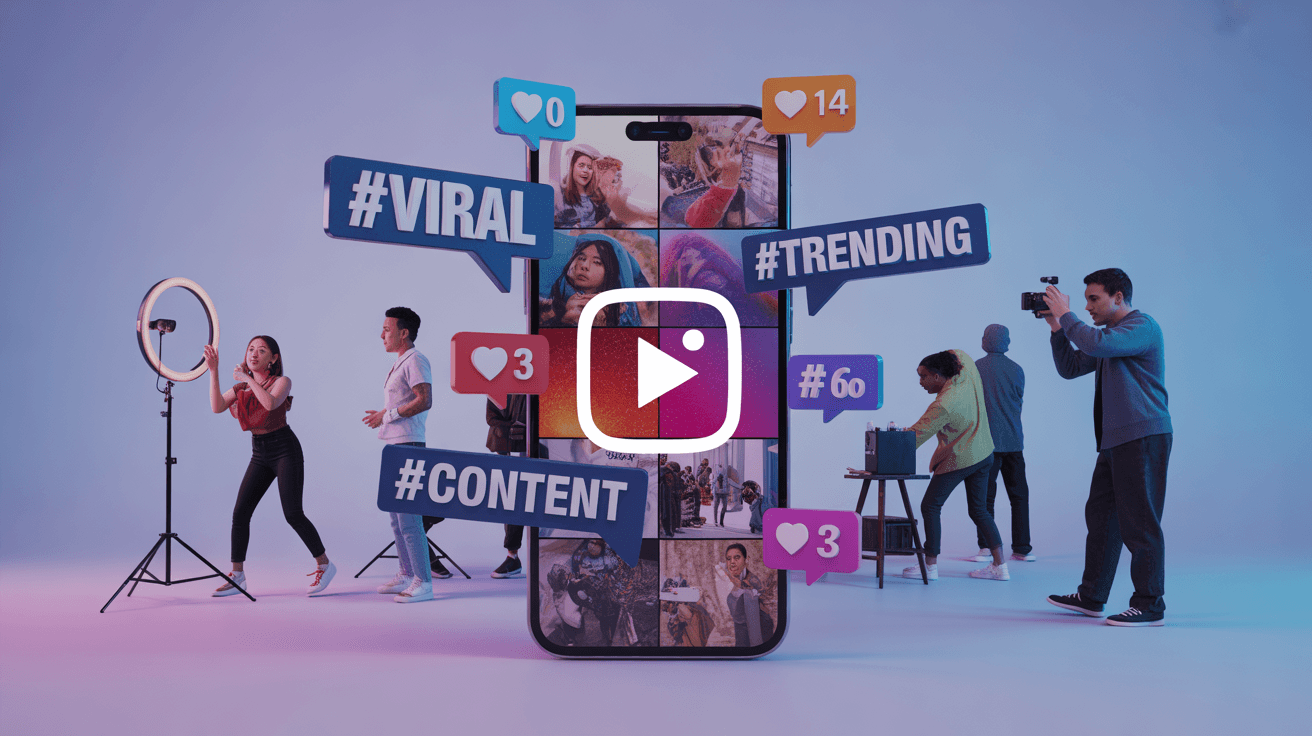
A viral trend is any format or idea that spreads rapidly across a platform (or multiple platforms). It can be:
- A sound: the same audio used in thousands of short videos
- A format: a “POV” style, caption template, or video structure
- A challenge: people repeating the same action or prompt
- A meme: an image + phrase remixing itself endlessly
- A hashtag movement: often tied to identity, culture, or activism
What makes it viral isn’t just popularity — it’s speed. A trend is “viral” when it gets copied, remixed, and re-posted so quickly that it feels unavoidable.
How Viral Trends Actually Spread (It’s Not Random)
Viral content often looks like an accident from the outside, but it usually follows a predictable pattern. In our analysis of recent trend cycles, the biggest accelerators are:
The trend “chain reaction”
- Early adopters post the first version (often smaller creators)
- Remix culture kicks in (people recreate it with their own spin)
- Algorithm boosts it (high engagement in a short window = more distribution)
- Big accounts copy it (which makes it mainstream)
- Brands join late (often when the trend is already in decline)
If you’ve ever thought “Why is my feed suddenly full of the same thing?” — that’s exactly what’s happening. Most platforms are designed to push what already performs well, and trends are basically the perfect “packaged engagement.”
A helpful way to think about it: a viral trend is a reusable content template. The easier it is to copy, the faster it spreads.
Why Do Social Media Trends Go Viral? (Psychology + Platforms)
People love to call things “random,” but viral trends usually hit one of these triggers:
The famous Ice Bucket Challenge is still one of the best examples of “viral with purpose.” It combined participation (anyone can do it), social pressure (nominate friends), and a cause people wanted to support.
Examples of Viral Trends That Took Over the Internet
A trend doesn’t have to be “deep” to be viral. It just has to be repeatable and shareable. Here are a few well-known examples that show different types of virality:
- #DalgonaCoffee (TikTok/Instagram): a simple format + lockdown boredom = global participation
- Ice Bucket Challenge: charity movement that became a worldwide challenge
- “Tell me without telling me” format: a reusable template people adapted to every niche
- CapCut template trends: editing templates that made “good videos” easier for everyone
The real lesson here is that platforms reward content that is easy to reproduce. A complicated trend usually dies fast. A simple one spreads.
Actionable: How to Spot Trends Early (Before Everyone Else)
If you want to get real value from trends, timing is everything. Posting on day 10 of a trend often gets you… nothing.
My rule of thumb:
If a brand has already made a “cringe compilation” about a trend… it’s probably too late.
Where to look (fast)
- TikTok search bar autosuggest: see what people are actively looking up
- Reels/Shorts “Remix” patterns: when many creators recreate the same structure
- Trending audio pages: sounds with fast growth but not fully saturated
- Comments: people literally ask “what’s this trend called?”
- Community spaces: Discords, subreddits, niche Facebook groups
There’s also a technical side to trends: hashtags shift in meaning quickly, and platforms continuously adapt. Researchers actively study how hashtags evolve and how systems detect trend shifts over time. If you want a deeper, research-level look at that topic, check this paper on arXiv: Dynamic hashtag recommendation with trend shift detection (2025).
How Businesses Can Capitalize on Viral Trends (Without Getting Dragged)
Trends can be amazing for business visibility — but only if you play them smart. The biggest mistake brands make is copying a trend with zero connection to what they actually sell. Audiences can smell that instantly.
A simple “trend fit” checklist
- Does this match our tone? If your brand is serious, don’t force a goofy meme format.
- Do we have something real to add? A useful tip, a story, a product angle, or a perspective.
- Can we execute it quickly? If approval takes 7 days, skip it.
- Are we prepared for comments? Trends bring engagement — including criticism.
- Could this backfire? If it’s tied to politics, tragedy, or culture wars, be extra careful.
When done well, trend participation can build trust and improve reach. When done badly, it can become a screenshot that lives forever.
Challenges and Cautions: When You Should NOT Join a Trend
Not every trend is worth riding. Some are risky, some are insensitive, and some will confuse your audience. Here are the most common “don’t do it” scenarios I’ve seen:
- You don’t understand the context (especially if it started in a specific community)
- It’s tied to political conflict or tragedy (and your brand has no credibility there)
- Your execution is delayed (late trend posts often get mocked)
- It conflicts with your values (you’ll end up with a PR problem)
The “Black Lives Matter” moment showed something important: trends aren’t always jokes. Sometimes they’re cultural movements, and audiences judge participation differently.
FAQ
What defines a viral social media trend?
A viral trend is a format, idea, or challenge that spreads rapidly through shares, remixes, and algorithmic amplification. It usually grows quickly, peaks fast, and then gets replaced by the next trend.
What impacts do viral social media trends have on society?
Trends can shape public opinion, influence behavior, normalize certain attitudes, create communities, and raise awareness for causes. They can also spread misinformation if people share without verifying context.
How can businesses effectively use viral trends?
The best approach is to join trends that match your brand voice, add genuine value or entertainment, and publish quickly. Use a checklist to avoid cultural missteps and focus on engagement, not just views.
How do I know if a trend is already dead?
If the trend is fully saturated (you’re seeing it across every niche), brands are doing it in paid ads, or users are commenting “late,” it’s usually past peak. Look for fast-growing audio/hashtags instead of the most obvious ones.
Key Takeaways
- Viral trends aren’t random — they follow repeatable patterns that algorithms amplify.
- The easiest trends to copy spread the fastest (simple templates beat complex ideas).
- Timing matters more than perfection — late posts rarely perform well.
- Brands should use a “trend fit” checklist to avoid forced or risky participation.
- Not joining a trend is also a strategy — skipping risky moments protects trust.
 Celebrity News
 Shady Showbiz: The Biggest Celebrity Scandals of the Year Revealed!
Written by: Alex M. Celebrity News Writer (pop culture moments, film buzz, red car...
 Culture & Arts
 Vinyl Records Spin a Comeback: Insights into the Regeneration of Analog
Written by: Jordan H. Culture & Arts Writer (music history, modern listening cultu...