
The Buzz Around the Blockbusters: The Most Talked-About Movies in Recent Memory
Alex M.
If you’ve ever finished a movie and immediately opened your group chat to see if everyone else had the same reaction, you already know what a true blockbuster does: it doesn’t just entertain — it takes over the conversation.
The most talked-about movies don’t stop at ticket sales. They spill into memes, celebrity interviews, fan theories, TikTok edits, and that one scene everyone keeps quoting until you finally cave and watch it.
In this article, I’m breaking down what actually makes a movie “unmissable” in pop culture terms — the films that dominated conversation, why people obsessed over them, and how you can spot the next big takeover before it hits peak hype.
What makes a movie “talked-about” (not just popular)?
A popular movie gets watched. A talked-about movie gets discussed — loudly, repeatedly, and usually with opinions that split the internet in half.
People don’t just say “it was good.” They say things like:
- “That ending was insane.”
- “I need to rewatch because I missed clues.”
- “The message went way deeper than I expected.”
- “This performance is going to win awards.”
And the meaning of “blockbuster” has evolved a lot over time — it’s not just “big budget,” it’s “big cultural impact.” If you want a quick, easy breakdown of how that definition shifted, this explainer is genuinely useful.
Key insight
The movies that dominate conversation aren’t always the “best” films in a technical sense. They’re usually the ones that are the most debate-worthy — intense endings, risky themes, controversial characters, or scenes people can’t stop dissecting.
The most talked-about blockbusters in recent memory (and why they blew up)
Let’s talk about the movies that didn’t just do numbers — they did damage to group chats, timelines, and internet peace.
1) Joker (2019): the film that sparked arguments everywhere
Joker became a full conversation machine because it wasn’t comfortable viewing. People weren’t just reviewing it — they were debating what it meant, what it portrayed, and whether it crossed a line.
Joaquin Phoenix’s performance was obviously a huge reason it exploded. But the real fuel was the theme: isolation, pressure, and what happens when someone feels invisible for too long.
And because the movie touches on mental health themes, it hit audiences in a more personal way than a standard thriller. If you want a reliable, non-sensational resource on mental health topics in general (not movie commentary — just real information), the National Institute of Mental Health is a strong place to start.
2) Avengers: Endgame (2019): a global “you had to be there” moment
Avengers: Endgame wasn’t just a movie — it was a payoff to more than a decade of storytelling. Even people who weren’t hardcore Marvel fans still felt the pressure to keep up, because spoilers were basically unavoidable.
What made it so insanely talked-about:
- Long-term emotional investment (characters people grew up with)
- High-stakes scenes designed for theater reactions
- FOMO — everyone wanted to be part of the moment
- Rewatch culture (callbacks, hidden details, fan breakdowns)
It’s the perfect example of how modern franchises don’t just sell stories — they sell community experience.
3) Parasite (2019): the movie that turned into a cultural reference
Parasite became the rare film that managed to be a thriller, a dark comedy, and a social commentary all at once — and people couldn’t stop talking about it because every viewer walked away with a slightly different interpretation.
It also became a huge awards-season discussion point. When a film breaks through language barriers and dominates global conversation, it starts feeling like a “must-watch” — not just for entertainment, but for cultural relevance.
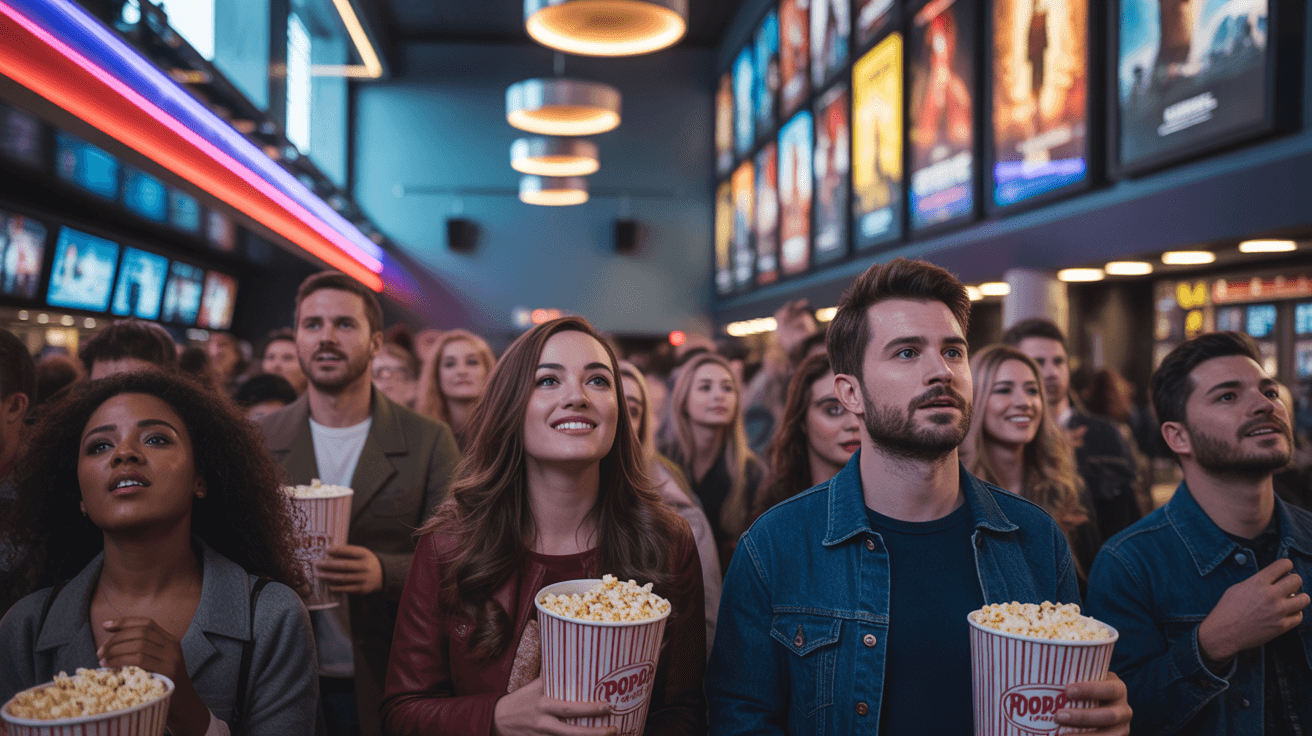
The “talkability” checklist: why some movies dominate your timeline
After watching hype cycles repeat again and again, I’ve noticed one thing: the movies that stay loud usually hit several buzz triggers at once.
| Buzz trigger | What it looks like | Why it works |
|---|---|---|
| Shock factor | Twists, risky endings, sudden character turns | People feel compelled to react (and warn others) |
| Relatable theme | Mental health, inequality, identity, isolation | Viewers bring real experiences into the conversation |
| Franchise momentum | Shared universes, finales, beloved reboots | Built-in fandom creates hype automatically |
| Internet-friendly moments | Quotes, reactions, meme scenes, viral edits | The movie keeps “living” online after release |
How social media turns movies into pop culture storms
Modern blockbusters don’t just compete in theaters — they compete in feeds.
Once a movie starts trending, it can snowball fast because of:
- Fan theories (people want to predict twists first)
- Reaction content (breakdowns, edits, “explained” videos)
- Celebrity moments (viral interviews, press tour clips, red carpet drama)
- Meme repetition (the joke becomes bigger than the scene)
Practical tip
If a movie is getting spoiler-heavy online, watching it within the first week is the easiest way to stay in the loop without muting half your apps.
How to spot the next “everyone will talk about this” movie
Want to call it early? Here are signs a film is about to become unavoidable:
- Pre-release debate (casting drama, trailer backlash, controversy)
- Trailer moments people screenshot and obsess over
- Early reviews sound intense (“wild,” “provocative,” “must-see”)
- A celebrity narrative attaches to the rollout (viral press tour clips)
- Fan communities mobilize (threads, theory posts, countdowns)
FAQ
What makes a movie “talked-about” instead of just popular?
A popular movie gets watched. A talked-about movie becomes part of conversation — it’s debated, quoted, memed, and discussed long after release.
Do talked-about movies always win awards?
No. Awards can help keep attention, but many movies dominate culture simply because they’re divisive, meme-able, or emotionally intense.
Does social media really affect a movie’s success?
Yes. Social platforms amplify hype, push FOMO, and keep a film trending through clips, edits, and repeat discussion.
Are franchise movies more likely to become blockbusters?
Often, yes — because they come with built-in fandom. But original movies can break through when the story hits hard and people feel compelled to recommend it.
How can I keep up without being overwhelmed?
Pick a few “event” releases each month, follow reviewers you trust, and avoid spoiler-heavy spaces until you’ve watched the big ones.
Key Takeaways
- Talked-about movies create reactions and debate — not just ticket sales.
- The best buzz comes from shock moments, strong themes, and internet-ready scenes.
- Joker stayed loud because it sparked real arguments and intense reactions.
- Avengers: Endgame became an event thanks to long-term fan investment and FOMO.
- Parasite proved global buzz can come from storytelling and cultural relevance.
- Social media multiplies hype by turning scenes into memes and moments into trends.
- You can often predict the next blockbuster by watching pre-release fan energy.
 Celebrity News
 2022 Cinematic Marvels: Year's Most Awaited Blockbusters
Written by: Alex M. Celebrity News Writer (pop culture moments, film buzz, red car...
 Fashion
 Unveiling the Top Show-Stopping Looks from Oscars, Met Gala, and Fashion Week
Written by: Sophie C. Fashion & Red Carpet Editor (runway trends, celebrity style,...