
The Dispute Over Museum Artifacts: A Call for Repatriation?
Jordan H.
Walk into any major museum and you’ll see objects that feel timeless—masks, sculptures, carvings, manuscripts, jewelry. The labels will tell you what they are, how old they are, and where they were found.
But increasingly, visitors are asking a different question: How did this get here?
That question sits at the center of one of the most important cultural debates of our time: the dispute over museum artifacts and the growing call for repatriation—returning cultural objects to their country or community of origin.
This isn’t only about politics. It’s about history, identity, ownership, and repair. And because museums have long been seen as “neutral” spaces of education, this debate can feel uncomfortable—especially when it challenges institutions people love.
In this article, I’ll break down what repatriation means, why it’s accelerating now, the arguments on both sides, and what a fair future might actually look like.
What is repatriation (and why does it matter)?
Repatriation is the return of cultural property—artifacts, human remains, sacred objects, artworks—back to the people or nations they came from.
It matters because cultural objects are not just “things.” They can be:
- sacred (used in ceremony, spiritual practice, burial traditions)
- historical evidence of a civilization’s identity
- symbols of sovereignty and national narrative
- community inheritance, not commercial property
In my experience, the repatriation debate becomes clearer when you stop imagining these objects as museum “exhibits” and start imagining them as family heirlooms—or even ancestors.
Key insight:
Repatriation isn’t a trend. It’s a cultural reckoning—an argument over who gets to hold history, and who gets to tell it.
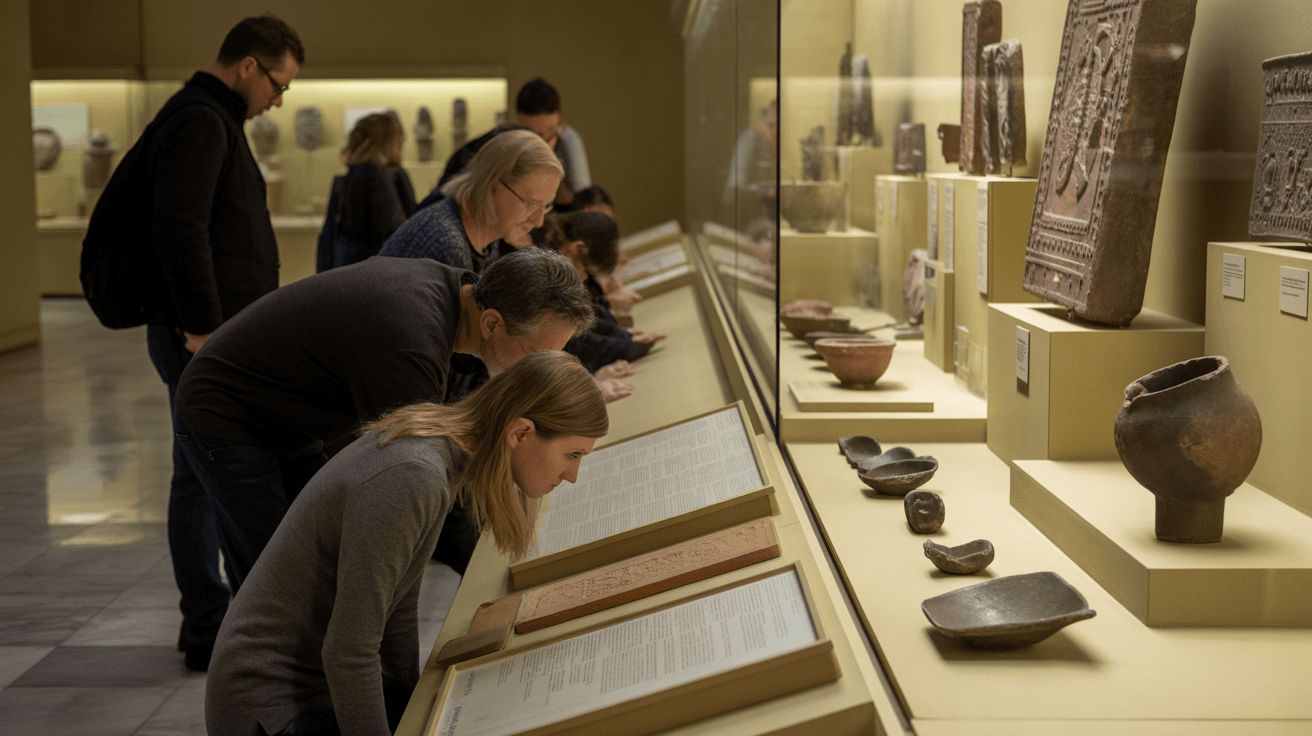
How did so many museum artifacts end up “somewhere else”?
If you’re wondering how artifacts from Africa, Asia, the Middle East, or Indigenous communities ended up in museums thousands of miles away, the answer is usually some combination of:
- colonial extraction
- military looting
- unequal trade or forced “sales”
- archaeological removal under colonial systems
- private collectors later donating to museums
Some objects were legally acquired (at least by the laws of the time). Others were clearly stolen. Many exist in a gray area where legality and ethics don’t align.
Why the call for repatriation is louder now
Repatriation requests aren’t new. What’s new is how widespread, public, and well-supported they’ve become.
Here’s what’s driving the current wave:
1) Better documentation and provenance research
Museums are being pushed to investigate provenance—where an object came from, who owned it, and under what conditions it was transferred.
Digitized archives and global databases make it harder to hide messy origins.
2) The global conversation about colonial history is changing
For decades, many museums framed themselves as universal guardians of world culture. But critics argue that “universal” has sometimes meant “collected through unequal power.”
3) Source communities are demanding cultural repair
Repatriation isn’t always about nationalism. Sometimes it’s about restoring sacred heritage to living communities.
4) Museums are under public pressure
In the age of social media and documentary culture, institutions face real reputational costs when they ignore repatriation requests.
A modern shift:
The public doesn’t only want museums to preserve art—they want museums to be ethically honest about how collections were built.
The core arguments for repatriation (why return matters)
Supporters of repatriation tend to focus on a few key points:
- Rightful ownership: cultural heritage belongs with its originating communities
- Historical justice: returning stolen objects acknowledges harm
- Cultural continuity: artifacts are often part of living traditions, not just history
- Ethical responsibility: museums shouldn’t benefit from extraction and violence
- Educational fairness: source countries deserve access to their own heritage
One of the most well-known examples in repatriation debates is the Parthenon Marbles (also called the Elgin Marbles), whose contested history is widely documented. Source: Encyclopedia Britannica – Elgin Marbles
The arguments against repatriation (and what supporters often overlook)
To be fair, not everyone agrees repatriation is the right answer in every case.
Opponents (or cautious institutions) often raise concerns like:
- universal access: major museums attract global audiences
- preservation: some institutions argue they can better conserve fragile objects
- legal complexity: ownership laws may be unclear or historically outdated
- precedent: fear that returning one object means opening the door to endless claims
- unstable conditions: concerns about conflict zones or inadequate museum infrastructure
These arguments can be genuine, but they also sometimes function as a delay tactic—especially when museums have benefited from unclear acquisition histories.
The uncomfortable truth:
“We can preserve it better” can be a valid concern—but it can also sound like a polished version of “we deserve to keep it.”
What does international law say about returning artifacts?
This is where things get complicated. There are international agreements that influence repatriation conversations, but enforcement is often difficult—especially for objects removed long ago.
One of the most important frameworks is the 1970 UNESCO Convention, which addresses preventing illicit import/export of cultural property. It doesn’t automatically solve old cases, but it shapes modern standards. Source: UNESCO – Fight illicit trafficking of cultural property
In practice, a lot of repatriation happens through negotiation rather than strict legal rulings.
Repatriation vs restitution vs “shared custody”
Not every case ends with a simple “give it back.” There are multiple models being used today, including:
Shared custody can sound like compromise, but it’s controversial too—especially if the source community feels it’s still unequal.
What a fair future could look like (beyond yes/no arguments)
If we move past the loudest takes on both sides, the real future of repatriation might be built on transparency and partnership.
Here’s what that could include:
- open provenance databases museums maintain publicly
- co-curation with source communities, not just “consultation”
- funding and infrastructure support for museums in source countries
- ethical acquisition standards that prevent future disputes
- community-led decisions about sacred objects and human remains
In other words: repatriation isn’t only about giving objects back. It’s about changing how cultural authority works.
A grounded takeaway:
Museums can still be places of global learning—if they’re willing to become places of global accountability, too.
FAQ
What does repatriation mean in museums?
Repatriation means returning cultural artifacts (and sometimes human remains) from museum collections to their country or community of origin.
Why do people want museum artifacts returned?
Because many objects were taken during colonial periods, wars, or unequal power situations. Supporters argue returning them is about justice, cultural identity, and rightful ownership.
Do museums have to return everything?
Not necessarily. Some cases are legally complex, and some objects are shared through loans or partnerships. But calls for transparency and ethical accountability are increasing.
What is the UNESCO 1970 Convention?
It’s an international agreement aimed at preventing the illegal trafficking of cultural property. It influences modern repatriation standards, even though older cases can be harder to resolve.
What’s the most famous repatriation dispute?
One of the most famous is the debate over the Parthenon (Elgin) Marbles, which Greece has long argued should be returned from the British Museum.
Key Takeaways
- Repatriation is the return of cultural artifacts to their country or community of origin.
- The debate is growing because provenance research and public awareness are stronger than ever.
- Many museum collections were built through colonial extraction, conflict, or unequal acquisition systems.
- Supporters argue return is about justice, identity, and cultural continuity.
- Opponents cite concerns like preservation, access, and legal complexity—but these can also be excuses.
- UNESCO’s 1970 Convention shapes modern standards for cultural property protection.
- The future likely depends on transparency, co-curation, and real partnership—not just “keep vs return.”
 Culture & Arts
 The Emergence of Audiobooks and Podcasts - A New Dawn in Storytelling
Written by: Jordan H. Culture & Arts Writer (music history, modern listening cultu...
 Culture & Arts
 A Journey through Time: The Evolution of Representation in Hollywood
Written by: Jordan H. Culture & Arts Writer (music history, modern listening cultu...