
The Emergence of Audiobooks and Podcasts - A New Dawn in Storytelling
Jordan H.
We’re living through a quiet storytelling shift. Not a “books are dead” moment—more like a “stories are changing shape” moment.
Audiobooks and podcasts have turned listening into a daily ritual: during commutes, workouts, chores, long walks, and those evenings when your brain wants something comforting but your eyes are too tired for a screen.
And what’s fascinating is that audio storytelling isn’t just booming because it’s convenient. It’s booming because it feels personal. A voice in your ear can be more intimate than a page or a TV show. It feels like someone is telling you a story directly.
In this article, I’ll explore why audiobooks and podcasts are thriving, how they’re changing the way we experience stories, what genres are winning, and how you can get the most out of audio—whether you’re a casual listener or someone trying to build a real routine around it.
Audiobooks and podcasts didn’t replace reading—they expanded it
Let’s clear up the biggest misconception immediately: audiobooks aren’t “cheating,” and podcasts aren’t “less serious.” They’re simply different formats for storytelling.
Just like film didn’t kill theatre, and streaming didn’t erase vinyl, audio is another way stories survive in a changing culture.
Audio storytelling works because it fits modern life:
- it’s hands-free (you can listen while doing something else)
- it reduces screen fatigue
- it’s emotionally immersive (voice = tone, mood, personality)
- it makes long stories accessible to people who struggle with time or focus
Key insight:
The rise of audio isn’t proof that attention spans are dead. It’s proof that people want stories that travel with them.
The “new dawn” in storytelling is really about intimacy
There’s something uniquely human about audio.
When you listen to a narrator or podcast host, it doesn’t feel like a mass-media broadcast. It feels like:
- a conversation
- a confession
- a guided experience
- a friend telling you something important
This is why certain podcast genres thrive. True crime works because it feels like a late-night secret. Comedy works because it feels like hanging out. Story-driven fiction works because it feels like modern radio theatre.
And audiobooks? They’re basically the return of oral storytelling traditions—just in a subscription model.
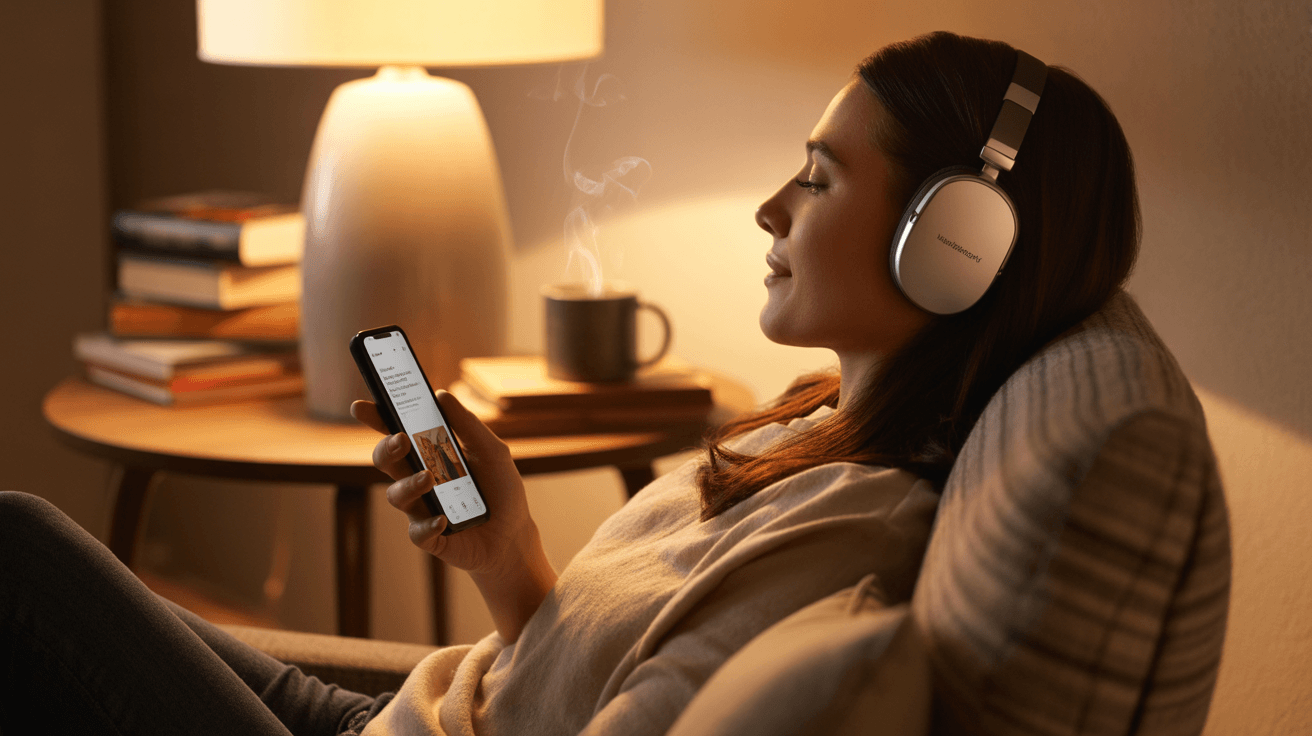
Why audiobooks are exploding in popularity
Audiobooks used to feel niche. Now they’re mainstream, and a few cultural shifts explain why.
1) They make long books feel more realistic
A 600-page novel can feel intimidating. A 12-hour audiobook can feel surprisingly manageable—because you can “read” it in small pieces while doing everyday life.
2) Narration can elevate the material
A great narrator can make a good book unforgettable. Some audiobooks feel like theatre: voice acting, pacing, emotional weight, comedic timing.
This is especially true for memoirs read by the author. There’s something powerful about hearing a story in the person’s own voice.
3) Audiobooks fit the way we multitask (for better or worse)
We’re living in an era where people want to combine activities: exercise + learning, commuting + entertainment, cleaning + relaxation.
Audio fits perfectly into that rhythm.
The Audio Publishers Association tracks audiobook industry growth and trends, and it’s a solid reference point for understanding how large this format has become. Source: Audio Publishers Association
Why podcasts became a cultural force (not just “talk radio”)
Podcasts are bigger than many people realize because they’re not one category—they’re an entire ecosystem of formats.
Podcasting includes:
- interviews (celebrity, culture, deep-dive conversations)
- investigative series (true crime, journalism)
- scripted fiction (audio drama)
- narrative essays (personal storytelling)
- education (history, science, finance, language)
And unlike traditional TV schedules, podcasts don’t require you to sit down at a specific time. They move at your pace.
For context on podcasting as a medium and how it evolved, Britannica offers a helpful explainer that frames it inside the larger history of audio media. Source: Encyclopedia Britannica – Podcast
The “podcast advantage”:
Podcasts don’t compete with your screen time—they compete with silence. That’s why they’ve become so embedded in daily routines.
The way we experience stories is changing (and it’s not subtle)
Audio is changing storytelling in a few major ways:
1) Stories are more episodic now
Podcasts trained audiences to expect chapters. Hooks. Cliffhangers. “Next episode” energy.
That expectation is now influencing audiobook originals, streaming series, and even how writers structure long-form journalism.
2) Voice is becoming part of the “brand” of a story
With books, the author’s voice is metaphorical. With audiobooks and podcasts, voice is literal—and it builds trust.
3) “Performance” is now a storytelling skill
Some stories do better in audio than on paper because performance adds layers: tension, warmth, humor, intimacy.
4) Listening communities form faster
Podcast fandoms build quickly because they’re interactive: listeners recommend episodes, quote hosts, create memes, and share highlights instantly.
Audiobooks vs podcasts: what’s the difference (and which should you choose)?
They overlap, but they’re not the same. Here’s a simple comparison:
How to build a listening habit (without losing focus)
Audio is powerful, but there’s a real downside: it’s easy to “half listen.” You finish an episode and realize you absorbed nothing.
Here’s how to make audio storytelling actually stick:
1) Match content to the activity
- Podcasts for chores, commuting, casual listening
- Audiobooks for long walks, flights, focused time
- Fiction when you want immersion
- Nonfiction when you want learning (but slower)
2) Use playback speed intentionally
Some people love 1.5x speed. My advice: only speed up if comprehension stays high. If you’re rewinding constantly, slow down and enjoy it.
3) Create “audio anchors”
Anchor listening to repeat moments: morning coffee, evening shower, daily walk, gym session. That consistency turns it into a habit fast.
4) Keep a tiny list of “next listens”
Decision fatigue is real. Keep 3 saved titles at all times—one audiobook, one series podcast, one comfort show.
Practical tip:
Don’t subscribe to 30 podcasts. Choose 3 you genuinely love. The goal is depth, not noise.
The future of audio storytelling (what comes next)
If this is a “new dawn,” it’s still early morning. Audio storytelling is evolving fast.
Here’s what I expect to keep growing:
- audio-first originals designed like TV seasons
- celebrity and creator-driven podcasts with strong communities
- more high-production audio drama (sound design + acting)
- hybrid formats (video podcasts, interactive audio experiences)
- shorter mini-series instead of endless weekly shows
And culturally? I think we’ll keep craving formats that feel human. Audio wins because it feels like someone’s there with you.
FAQ
Why are audiobooks so popular right now?
Audiobooks fit busy schedules and reduce screen fatigue. They also make long books easier to finish, and great narration can elevate the story emotionally.
Are podcasts replacing traditional storytelling?
Not replacing—expanding. Podcasts created new storytelling formats (series, investigative audio, audio drama) that now exist alongside books, film,
 Culture & Arts
 The Quest for Lost Masterpieces Shrouded in Mystery
Written by: Jordan H. Culture & Arts Writer (music history, modern listening cultu...
 Celebrity News
 Shady Showbiz: The Biggest Celebrity Scandals of the Year Revealed!
Written by: Alex M. Celebrity News Writer (pop culture moments, film buzz, red car...