
Vinyl Records Spin a Comeback: Insights into the Regeneration of Analog
Jordan H.
Vinyl didn’t just come back—it refused to disappear. In an era where almost every song ever recorded is one search away, people are still spending real money on records, turntables, sleeves, and shelf space. That’s not convenience. That’s a choice.
And honestly, I get it. Streaming is incredible, but it can also feel like background noise you don’t remember. Vinyl makes listening feel like an event again: you pick an album, you commit, you flip the record, you sit with the sound.
In this piece, I’m going to unpack why vinyl is having such a strong comeback, what’s driving the analog renaissance (beyond nostalgia), and how to get into vinyl in a way that’s fun and financially sane.
Vinyl’s comeback isn’t a trend—it’s a cultural correction
When something analog returns in a digital era, it usually means people are trying to reclaim a feeling.
Vinyl offers a few things streaming doesn’t:
- Ritual (taking time to listen)
- Ownership (a library that can’t be removed or edited)
- Design (album art you can hold, not just thumbnail)
- Community (record stores, swaps, collectors)
- Intentional listening (full albums, not just playlists)
In my experience, that last point is the real secret. Vinyl doesn’t make you a better listener because it sounds “magical.” It makes you a better listener because it slows you down.
Key insight:
Vinyl is less about chasing perfect audio and more about rebuilding attention. It brings back the feeling of being present with music.
The numbers prove it: vinyl is growing again
This isn’t only a “hipster hobby” anymore. Vinyl has had years of steady growth, and it’s now a meaningful part of the music economy.
Organizations like the Recording Industry Association of America track this shift in their yearly reports. Vinyl revenue has been climbing while other physical formats have faded. Source: RIAA Reports
What’s happening is bigger than people think: vinyl is no longer just about collectors—it’s becoming a mainstream way to engage with music again, especially for fans who want more than a streaming subscription.
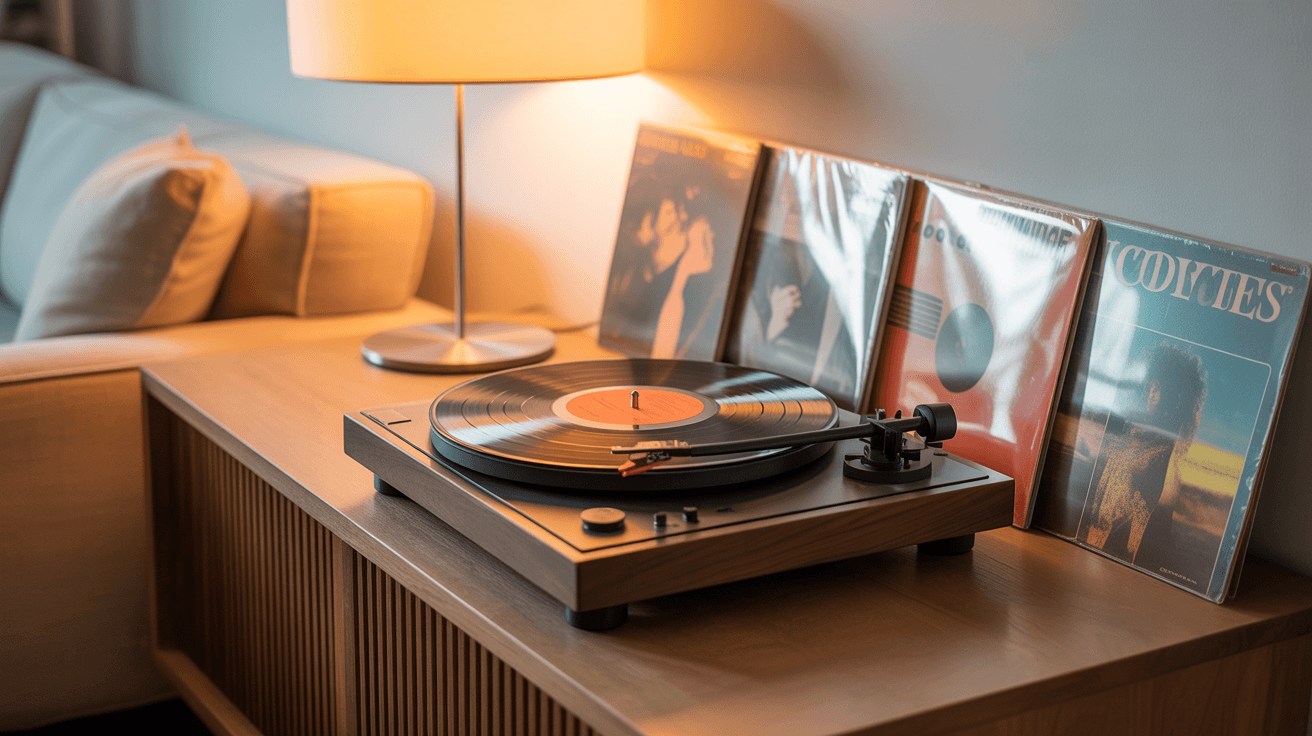
Why vinyl feels better (even before you press play)
Let’s talk about the emotional side, because it matters just as much as the audio quality.
Vinyl is satisfying in the way analog things often are:
- the weight of the record
- the sound of the needle dropping
- the artwork and liner notes
- the “limited time” feel of each side
- the small imperfections that make it human
It’s a format with friction. And paradoxically, that friction makes it enjoyable.
Nostalgia is part of it… but not the whole story
Yes, nostalgia sells. But the vinyl renaissance isn’t only older listeners rebuying records from their youth.
A lot of vinyl buyers are younger listeners—people raised on Spotify—who want something physical and collectible in a digital world.
Vinyl works like fashion in that way: it’s functional, but it’s also a statement. It says, “This music matters to me enough to own it.”
For context on vinyl as a historical format and why it shaped music culture for decades, Britannica has a helpful overview of sound recording formats and the long arc of recorded music technology. Source: Encyclopedia Britannica
What’s fueling the analog revival right now?
Vinyl didn’t return alone. It came back as part of a wider “analog regeneration” movement.
Here’s what’s driving it culturally:
- digital fatigue (endless scrolling, always-on noise)
- collector culture (limited editions, variants, drops)
- aesthetic living (vinyl shelves as interior design)
- supporting artists (buying music feels more direct)
- full-album listening (a return to sequencing and storytelling)
Streaming made music accessible. Vinyl makes music meaningful.
A cultural pattern worth noticing:
When life speeds up, people search for slow experiences. Vinyl is basically “slow music” — a format that forces you to pay attention.
Is vinyl actually better audio quality?
This question starts arguments in every music forum, so I’ll keep it honest and practical.
Vinyl can sound incredible, but it depends on:
- the pressing quality
- the condition of the record
- the turntable setup
- your speakers/headphones
- and your personal taste
Technically, digital audio can be more consistent and cleaner. But vinyl has warmth and texture that many listeners love—even if it isn’t “perfect.”
The bigger truth is that most people don’t buy vinyl for clinical sound quality. They buy it for the experience.
How to start a vinyl collection without wasting money
If you’re new to vinyl, you don’t need to buy 50 records and a $700 turntable in your first month. Start small and build slowly.
Step 1: Buy records you’ll actually replay
This sounds obvious, but people forget it. Don’t buy vinyl like décor. Buy albums you genuinely want to hear all the way through.
Step 2: Start with a few “core” genres or artists
A collection feels meaningful when it has intention. For example:
- 5 albums you’d never skip a track on
- 3 classics you want to “study” properly
- 2 records you love for the artwork alone
Step 3: Learn the grading language
Condition matters. A lot. When you buy used vinyl, sellers often grade records like this:
Step 4: Don’t skip basic care
Vinyl doesn’t need obsessive maintenance, but it does need simple habits:
- store records vertically (not stacked)
- keep them away from heat and direct sunlight
- use inner sleeves if possible
- clean gently before playing dusty records
Money-saving tip:
Spend less on “collector color variants” and more on albums you’ll replay for years. The value is in the listening, not the hype.
FAQ
Why are vinyl records popular again?
Because people want a slower, more intentional music experience. Vinyl offers ritual, physical ownership, collectible design, and a stronger connection to full albums.
Is vinyl better than streaming?
It depends on what you want. Streaming wins on convenience and discovery. Vinyl wins on experience, focus, and emotional attachment to music.
Is vinyl expensive to get into?
It can be, but it doesn’t have to be. Start with a few albums you love and build slowly. Buying used records and avoiding impulse “limited editions” helps a lot.
Do I need a high-end turntable?
No. A solid entry-level setup is enough to enjoy vinyl. The goal is reliable playback, not perfection on day one.
How do I keep vinyl records in good condition?
Store them vertically, avoid heat and sunlight, keep sleeves clean, and gently remove dust before playing. Basic care goes a long way.
Key Takeaways
- Vinyl’s comeback is driven by ritual, ownership, and intentional listening—not just nostalgia.
- Streaming made music accessible; vinyl makes it feel meaningful and present.
- The analog revival connects to broader digital fatigue and collector culture.
- Vinyl sound can be great, but the experience is the main reason people stay.
- Start a collection slowly by buying albums you’ll replay, not just aesthetic décor.
- Learn basic record grading to avoid wasting money on poor-condition vinyl.
- Simple storage and cleaning habits protect your records long-term.
 Fashion
 Unraveling the Luxury Fashion Boom of 2025
Written by: Sophie C. Fashion & Red Carpet Editor (runway trends, celebrity style,...
 News
News Exploring the Infinity: Unraveling the Mysteries of Space
Written by: Emma R. News & Digital Culture Writer (social media, streaming, intern...